
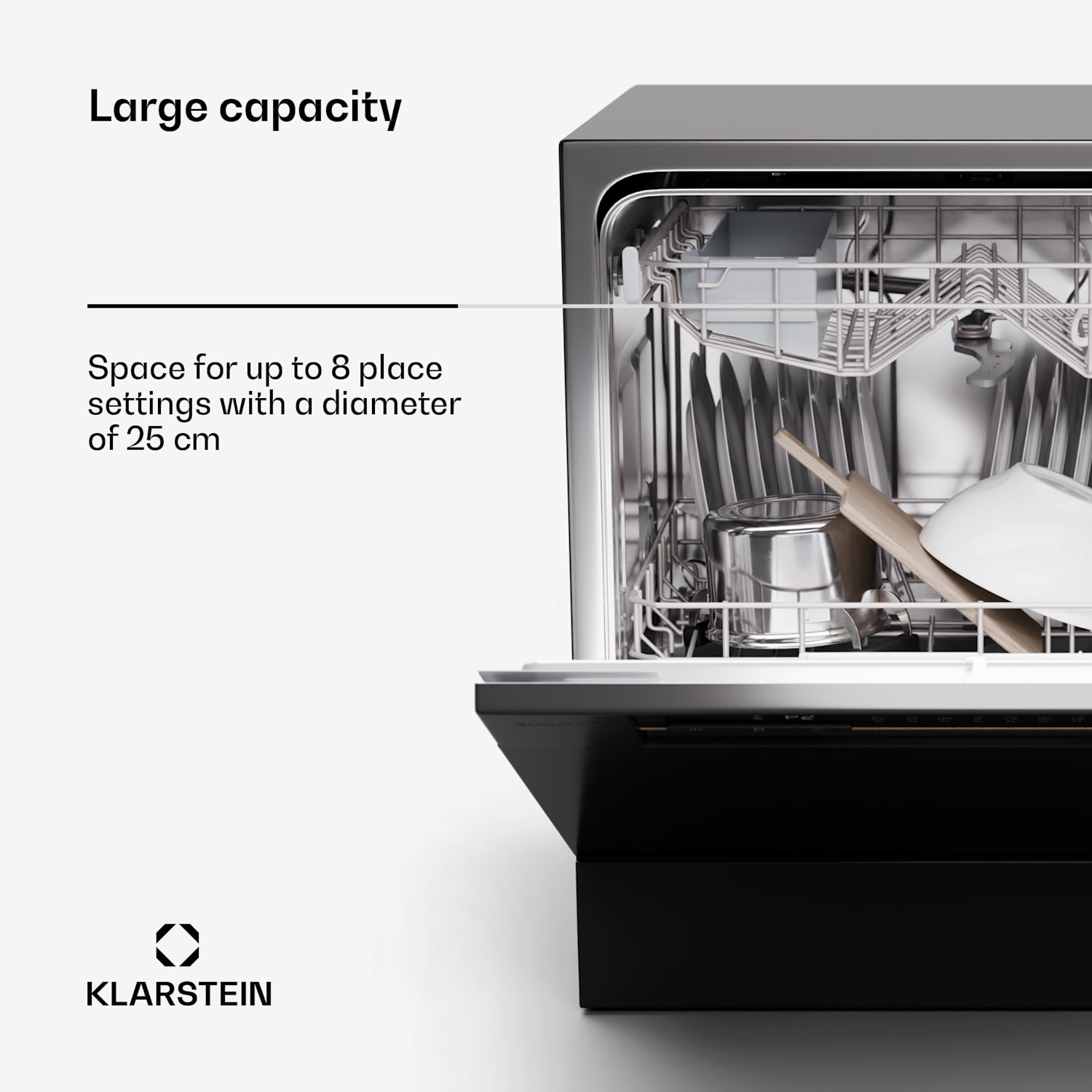
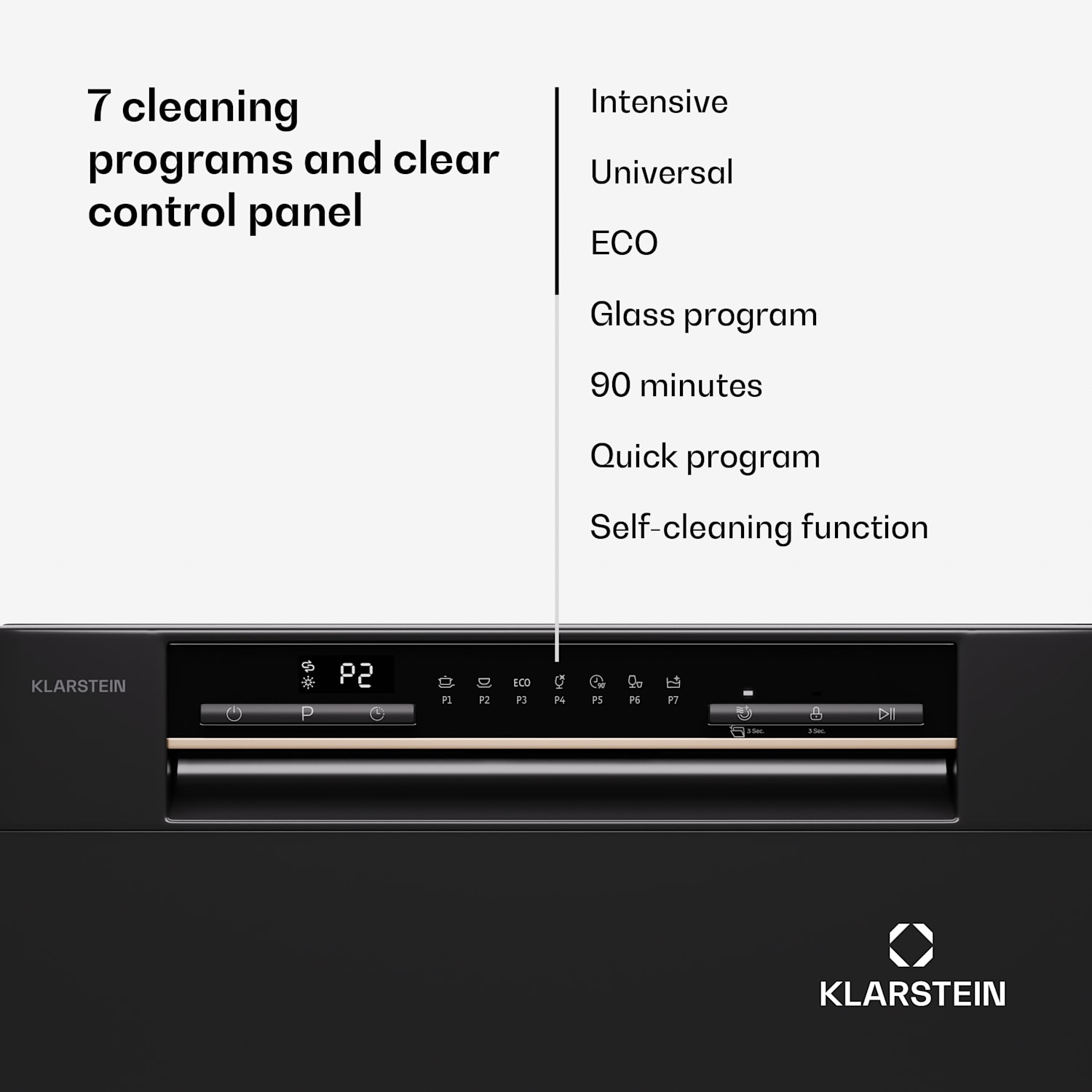
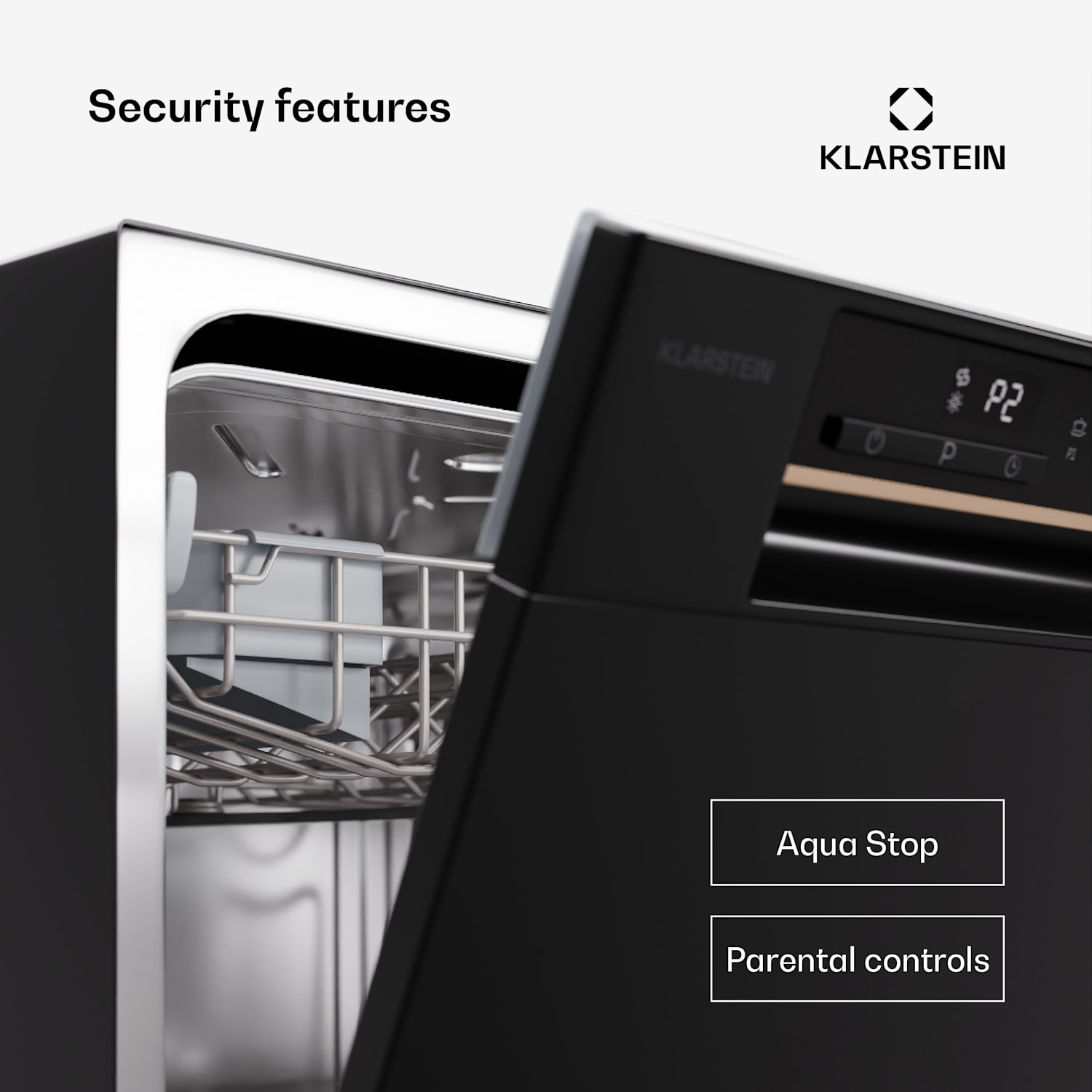
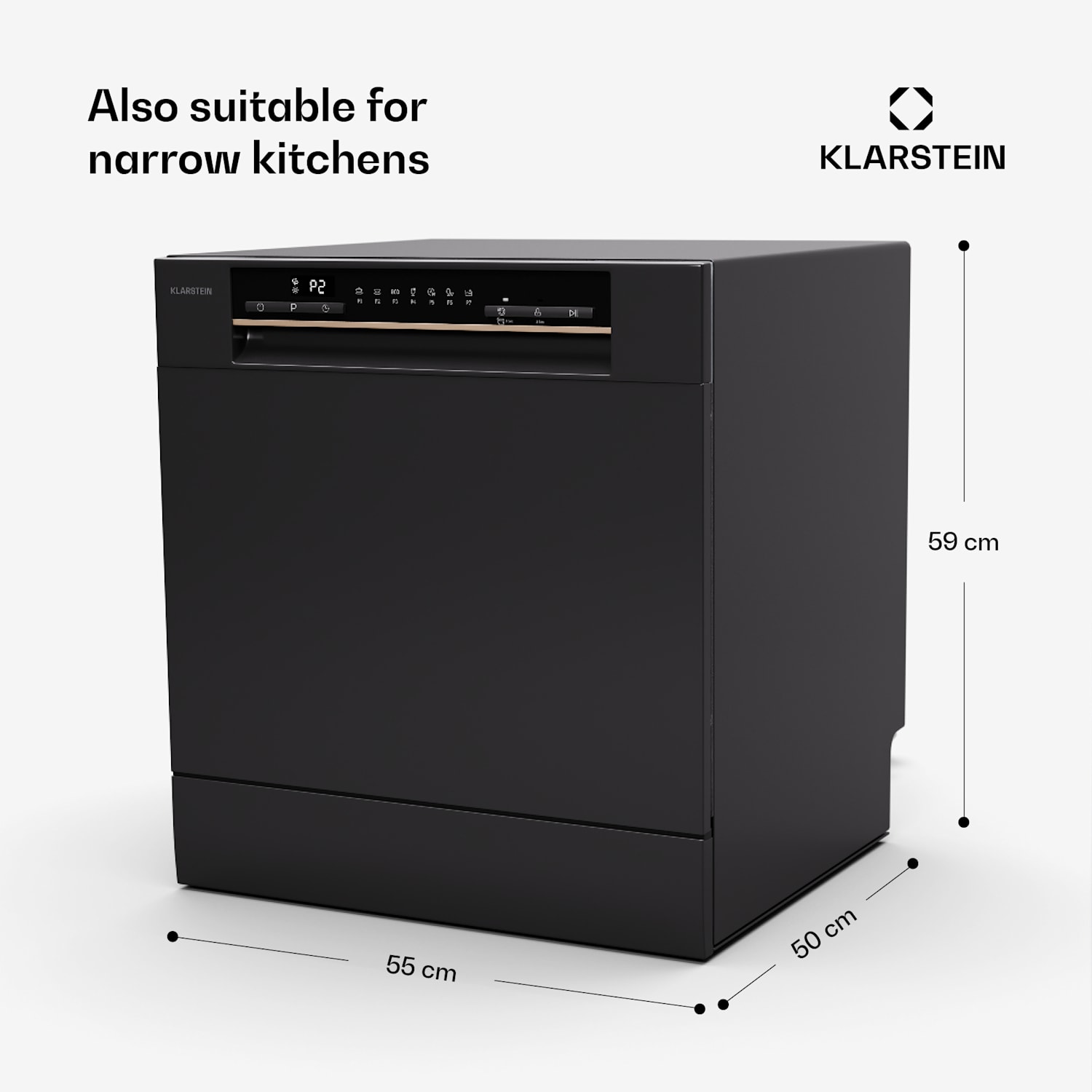
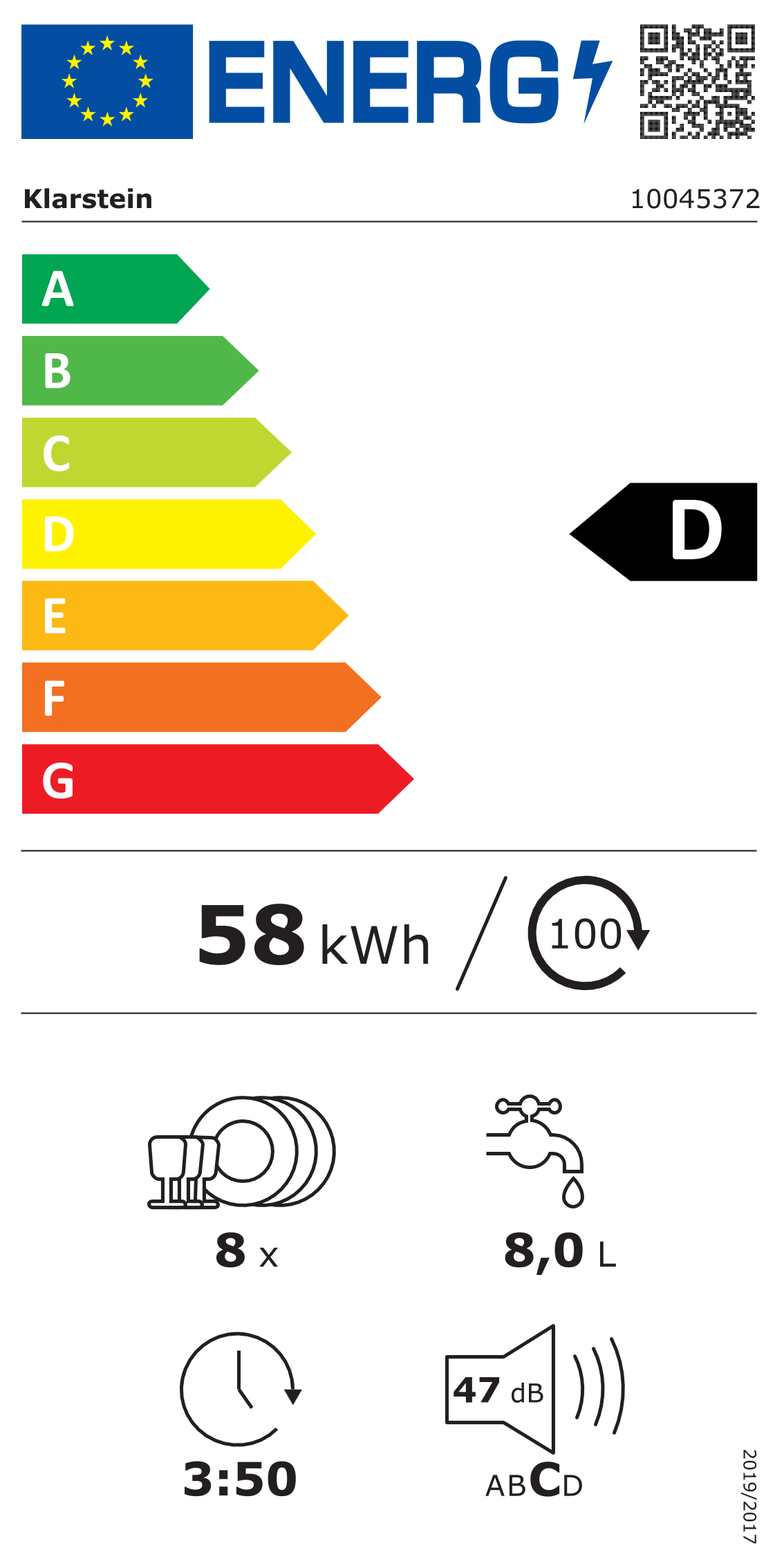
Für den Einbau und den Anschluss war etwas handwerkliches Geschick notwendig. Ein erster Funktionstest mit dem Schnellprogramm (30 Minuten !) hat gezeigt, dass der Geschirrspüler von Klarstein einwandfrei funktioniert. Auch eine ölige Bratpfanne wurde tip-top sauber. Da das Schnellprogramm lt. Manual nur etwa ein drittel der Energie der Langprogramme benötigt, lohnt sich dieses sicher auch für den täglichen Bedarf eines Single-Haushaltes.Praktisch ist, dass man den Besteckkorb in verschiedenen Positionen auf dem Geschirrkorb unterbringen kann. So ist man flexibel und kann bei Bedarf auch mal einen etwas größeren Topf oder Schüssel unterbringen.Die Handhabung funktioniert wie bei anderen Geschirrspülern auch, das Sieb lässt sich einfach entnehmen und reinigen, Spülmittel und Klarspüler lassen sich wie bei meinem „großen“ Gerät von Bosch einfüllen. Deshalb gehe ich hier noch etwas auf die Installation ein.:Da ich kein häßliches Standgerät irgendwo als Tischgerät aufstellen wollte, habe mir den vollintegrierten Geschirrspüler von Klarstein angeschafft und diesen in einem „METOD“ Küchenschrank von IKEA mit weißen Fronten („VEDDINGE“) verbaut. Die folgenden Punkte haben etwas handwerkliches Geschick erfordert:• Der Standardeinlegeboden, auf dem das Gerät steht, musste hinten um 3 cm gekürzt werden, damit ich die Schläuche dahinter durchführen konnte. Dies ist auch bei der installierten Schublade unter dem Gerät problemlos möglich, da hinter der Schublade noch genug „Luft“ ist.• Da IKEA nur Fronten in 40 oder 60 cm Höhe anbietet, musste ich als Front für den Geschirrspüler eine 60 cm Tür von IKEA nehmen und auf ca. 48 cm kürzen. Die darunterliegende 40 cm Front der Schublade musste oben entsprechend um ~8 cm gekürzt werden.• Die Schnittkante habe von Hand abgeschliffen und 3 x weiß lackiert. Der Fenster & Türenlack, weiß, seidenmatt von „Baufix“ hat ziemlich genau denselben Farbton wie die originale Front. Daher sieht man die Bearbeitung nur, wenn man mit einer Lupe schaut (s. Bild mit geöffneter Schublade, die Schnittkante ist die obere Kante der Schubladenfront).• Die Schnittreste der Fronten habe ich zur Wand als Passleisten verbaut (s. Bilder).• Der Abflussschlauch hatte am Auslauf nur ca. 17 cm Innendurchmesser und passte nicht recht an die ~21 mm Tülle meines Siphons. Bei Amazon habe ich mir daher eine schmalere Tülle für den Siphon bestellt. Mit etwas Gleitmittel klappte der Anschluss problemlos. Der Schlauch dehnt sich natürlich auch etwas.• Die mitgelieferten Scharniere sind etwas fummelig einzubauen und haben außer Langlöchern leider keine Justagemöglichkeit. Die angegeben Maße lt. Installationsanleitung passten in meinem Fall nicht richtig. Mein Tipp: Die fertig gekürzte Front ohne Geschirrspüler am Schrank anhalten (~2 mm Luftspalt zum Schrank), die Scharniere im richtigen Abstand ansetzen und die Löcher anreißen und mit 1,5 mm vorbohren. Achtung: Wenn der Geschirrspüler steht kommt man an die unteren Schrauben nur noch mit einer kleinen Ratsche oder Winkelschrauber!• Nach Aufstellen des Geschirrspülers im Schrank bin ich mit der Anbringung der Schienen analog verfahren, da auch hier die Maße lt. Installationsanleitung nicht so recht passten. Da bei vollständig geöffneter Klappe die schwarzen Plastikkappen an den Schienen leicht mit der Schiene kollidierten, habe den Kunststoff mit Seitenschneider und Akkubohrer oben etwas nachbearbeitet, bis keine Kollision mehr stattfand (s. Bild 3).• Da ich einen möglichst kleinen Durchbruch durch die Arbeitsplatte haben wollte, habe ich mir einen schmaleren Aquastopp-Schlauch bestellt. Der auf den Bildern ist also nicht der mitgelieferte, welcher aber ansonsten sicher genauso seine Funktion erfüllt.Da das Gerät einwandfrei funktioniert und sich im vollintegrierten Zustand perfekt und unauffällig in eine Singleküche integrieren lässt, gebe ich trotz der etwas fummeligen Installation 5 Punkte. In etwa so hatte ich es mir als Hobbyhandwerker auch vorgestellt ;-). Nach meiner bisherigen Erfahrung würde ich das Gerät jederzeit wieder kaufen.Nachtrag vom 2.1.2020:Nach den ersten Erfahrungen gibt es doch zwei kleine Nachteile:- Wirklich große Essteller (27 cm Durchmesser) passen nicht in den Geschirrspüler. Dazu reicht die Raumhöhe nicht bzw. der Geschirrkorb müsste noch etwas abgesenkt werden. Die Grenze scheint bei 25-26cm zu liegen.- Meine Freundin hat tiefe Teller ohne Rand (Schalen). Diese finden im Besteckkorb keinen richtigen Halt, da die Teller weder in die seitlichen Haltelaschen noch in das Ständerwerk am Boden richtig eingreifen. Die Teller muss man dann entweder sehr schräg einstellen oder sie kippen leicht um.Insgesamt bin ich nach wie vor sehr zufrieden mit dem Gerät.
Some DIY skills were required for installation and connection. An initial test run with the quick program (30 minutes!) showed that the Klarstein dishwasher works perfectly. Even an oily frying pan came out sparkling clean. Since the quick program, according to the manual, only uses about a third of the energy of the long programs, it's certainly worthwhile for the daily needs of a single-person household. It's practical that the cutlery basket can be positioned in various locations on the dish rack. This allows for flexibility and the option of accommodating a larger pot or bowl if needed. Operation is similar to other dishwashers; the filter is easy to remove and clean, and detergent and rinse aid are added just like in my "large" Bosch dishwasher. Therefore, I'll elaborate a bit more on the installation: Since I didn't want an unsightly freestanding unit as a countertop appliance, I purchased the fully integrated Klarstein dishwasher and installed it in an IKEA "METOD" kitchen cabinet with white fronts ("VEDDINGE"). The following steps required some DIY skills: • The standard shelf on which the appliance sits had to be shortened by 3 cm at the back so I could run the hoses behind it. This is also easily done with the drawer installed under the appliance, as there's still enough space behind it. • Since IKEA only offers fronts in 40 or 60 cm heights, I had to use a 60 cm IKEA door as the dishwasher front and shorten it to approximately 48 cm. The 40 cm drawer front underneath then had to be shortened by about 8 cm at the top. • I sanded the cut edge by hand and painted it three times with white paint. The white, satin-finish window and door paint from "Baufix" is almost exactly the same shade as the original front. Therefore, the machining is only visible when looking with a magnifying glass (see picture with open drawer; the cut edge is the top edge of the drawer front). • I used the offcuts from the fronts as filler strips against the wall (see pictures). • The drain hose only had an inner diameter of about 17 cm at the outlet and didn't quite fit the ~21 mm nozzle of my siphon. I therefore ordered a narrower nozzle for the siphon from Amazon. With a little lubricant, the connection worked without any problems. The hose naturally expands a bit. • The supplied hinges are a bit fiddly to install and, apart from the elongated holes, unfortunately have no adjustment options. The dimensions specified in the installation instructions didn't work correctly in my case. My tip: Hold the finished, cut front against the cabinet (without the dishwasher) (about a 2 mm gap to the cabinet), position the hinges at the correct distance, mark the holes, and pre-drill with a 1.5 mm drill bit. Caution: Once the dishwasher is in place, the lower screws can only be accessed with a small ratchet or angled screwdriver! • After installing the dishwasher in the cabinet, I followed the same procedure for attaching the rails, as the dimensions according to the installation instructions weren't quite right. Since the black plastic caps on the rails slightly collided with the door when it was fully open, I modified the plastic slightly with side cutters and a cordless drill until there was no longer any collision (see picture 3). • Because I wanted the smallest possible opening through the countertop, I ordered a narrower aquastop hose. The one shown in the pictures is therefore not the one supplied, but it will certainly do the same job. Since the appliance works perfectly and, when fully integrated, blends seamlessly and discreetly into a small kitchen, I'm giving it 5 stars despite the somewhat fiddly installation. As a DIY enthusiast, that's pretty much what I had in mind ;-). Based on my experience so far, I would buy this appliance again in a heartbeat. Update from January 2, 2020: After some initial use, there are two minor drawbacks: - Really large dinner plates (27 cm diameter) don't fit in the dishwasher. There isn't enough headroom, or the dish rack would need to be lowered. The limit seems to be around 25-26 cm. - My girlfriend has deep, rimless plates (bowls). These don't stay securely in the cutlery basket because they don't engage properly with either the side clips or the support at the bottom. The plates either have to be placed at a very steep angle, or they tip over easily. Overall, I'm still very happy with the appliance.