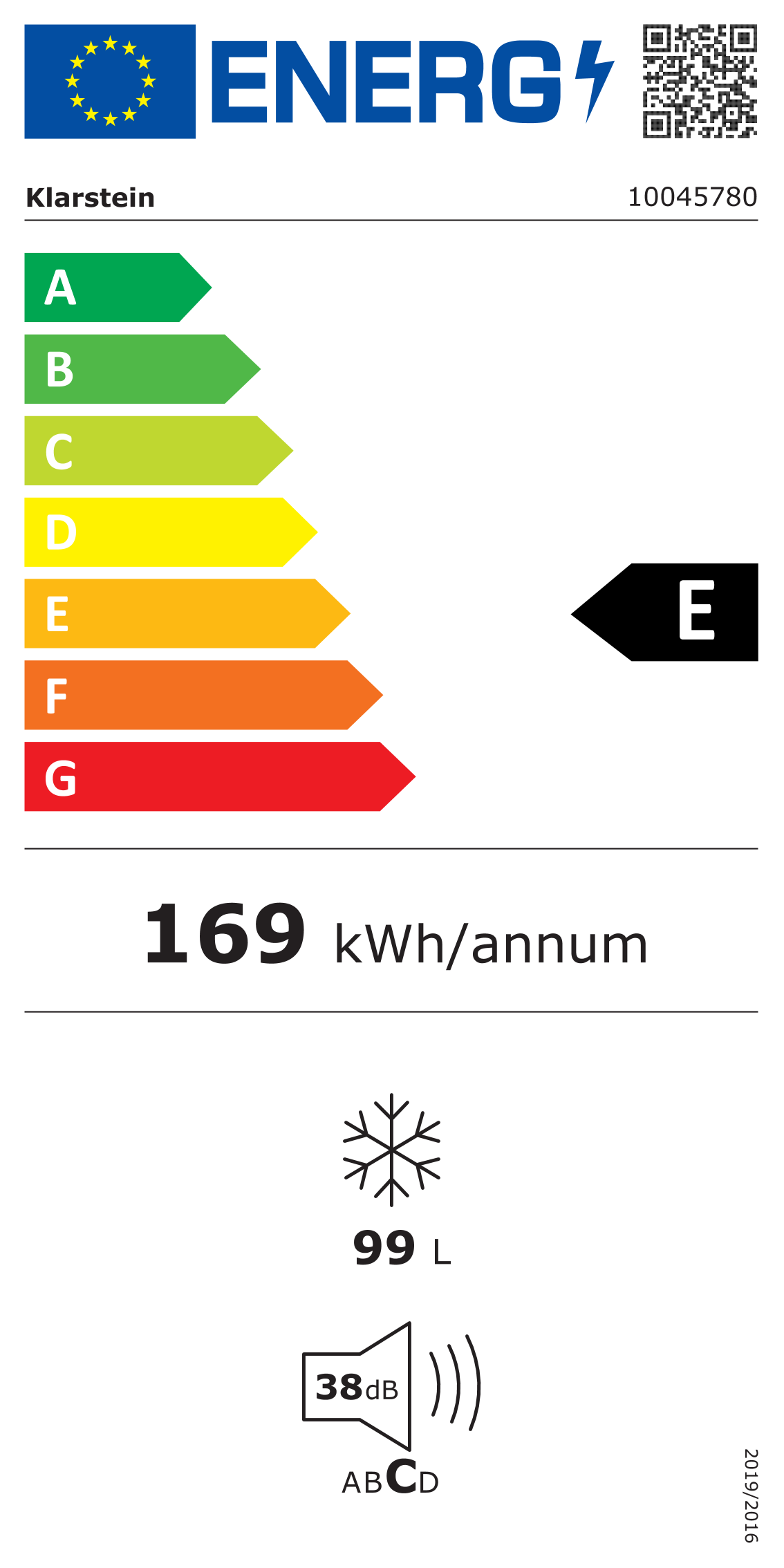
Das könnte jetzt länger werden. Zunächst einmal, "ohne Tritte und Schläge" geht es wohl nicht ;) Auch meine Truhe hat Transportschäden wie einige Berichten (vordere untere linke Ecke ist gestaucht, eine ziemliche Kerbe an der hinteren Kante auf ca. 1/3 Höhe). Da das wohl eher eine Sache des Transporteurs ist, habe ich dafür keinen Stern abgezogen. Das Gerät habe ich ein paar Stunden stehen lassen und dann gereinigt wie beschrieben, angesteckt und den Regler auf Max gestellt. Ca. eine Stunde später war die rote Leuchte erloschen. Soweit so gut. Positiv hervorheben muss man die großzügig ausgefallenen Lüftungsschlitze. Hier sieht man sehr gut zum Kompressor und dass die Transportschäden das Innere wohl nicht beeinflusst haben. Auch gibt es seitlich eine Abdeckung zum abschrauben, was ich nicht getan habe. Es scheint wartungsfreundlich konstruiert zu sein. Ich gebe dafür einen Stern.Den Geräuschpegel finde ich in Ordnung. Man hört ein leises Zischen vom Kühlmittel. Das ist für mein empfinden nicht penetrant und dazwischen schaltet die Truhe auch mal ab. Den Kompressor höre ich so gut wie gar nicht. Meine Truhe ist nicht übermässig laut wie manche berichten, dafür gebe ich auch einen Stern.Auf der Plakette am Gerät steht, dass der Stromverbrauch bei 65W liegt. Mein Strommessgerät zeigt bei laufendem Kompressor Werte zwischen 55 und 60W an. Das wird also passen. Der Thermostat schaltet auch immer wieder ab. Meine Gefriertruhe zieht nicht ständig Strom wie ich es in der einen oder anderen Rezension lesen konnte. Dafür gebe ich einen weiteren Stern.Für das Format gebe ich einen weiteren Stern. Eine andere Truhe mit Standardmaßen hat bei mir eben nicht Platz und es scheint auch keinen anderen Hersteller zu geben der ähnliches bietet.Nach ein paar Tagen Betrieb bin ich dennoch stutzig geworden. Ich habe den Deckel geprüft und gesehen, dass der Dichtungsgummi nur am hinteren Teil der Truhe aufliegt, ansonsten aber nicht. Ich musste feststellen, dass das Schloss des Deckels auf dem unteren Verschlusshacken (wird an die Truhe geschraubt) aufliegt. Entfernt man diesen, so liegt der Deckel bzw. die Dichtung sowohl vorne als auch hinten auf. Leider jedoch immer noch nicht seitlich, zumindest links. Da ist zwischen Dichtungsgummi und Truhe ein Spalt von ca. 1-3mm (variiert stellenweise). Wäre der Dichtungsgummi weicher, oder der Deckel schwerer (um ca. 1-1.5kg), dann würde sich das beim Schließen wohl ausgleichen, aber auch nur dann wenn nichts am unteren Verschlusshacken aufliegt bzw. dieser entfernt bleibt.Da ansonsten alles ok ist, mir ein Rückstransport zu aufwändig erscheint, ich nicht weiß ob/wie man einen anderen Dichtungsgummi montiert und woher man diesen bekommt und ich ebenso keine Lust habe den Deckel zu beschweren, habe ich mir eine superweiche Silikonauflage gegossen (ca. 3mm dick), welche ich auf die Truhe lege. Dafür habe ich mit dem 3D-Drucker eine passende Form ausgedruckt (siehe Bilder). Die Silikonauflage umfasst den Rand der Truhe und verrutscht somit seitlich nicht, auch nicht nach hinten oder vorne. Sie bleibt auch liegen wenn man den Deckel öffnet, da sie an der Truhe besser haftet als am Dichtungsgummi des Deckels. Die Silikonauflage habe ich zunächst bewusst breiter gemacht als der Rand der Truhe. Diese ragt also etwas nach innen. Das kann mit Lineal und Messer gestutzt werden wenn man will. Die Ecken habe ich innen ca. 3cm diagonal eingeschnitten. Der Deckel liegt damit nicht mehr am Verschlusshacken auf und der Gummi dichtet ringsum ab. Ich habe es mit einem Papierstreifen getestet. Verschließen lässt sich die Truhe auch.Leider hatte ich nur das Schweinchenrosa übrig und ich wollte zum Ausprobieren kein neues kaufen. Ich muss aber sagen, dass die schwarze Truhe auch hier eine gute, jedenfalls bessere Kombination mit Schweinchenrosa ist, als es mit Weiß der Fall wäre. Mit einem fluorisizierenden Silikon (sofern es das gibt) würde man im Dunkeln nicht so leicht über die Truhe stolpern :)
This might get a bit long. First of all, it seems you can't avoid a few bumps and bruises ;) My freezer also has transport damage, like some others have reported (the lower front left corner is dented, and there's a pretty significant dent on the back edge about a third of the way up). Since that's probably the fault of the carrier, I didn't deduct a star for it. I let the unit stand for a few hours, then cleaned it as described, plugged it in, and set the regulator to maximum. About an hour later, the red light went out. So far, so good. The generously sized ventilation slots are a definite plus. You can see the compressor very well through them, and it seems the transport damage didn't affect the interior. There's also a cover on the side that can be unscrewed, which I didn't do. It seems to be designed for easy maintenance. I'll give it a star for that. I find the noise level acceptable. You can hear a quiet hissing from the refrigerant. To me, it's not intrusive, and the freezer even switches off occasionally. I can barely hear the compressor at all. My freezer isn't excessively loud, as some have reported, so I'm giving it a star for that. The label on the unit states a power consumption of 65W. My power meter shows readings between 55 and 60W when the compressor is running, so that seems about right. The thermostat also switches off regularly. My freezer doesn't constantly draw power, as I've read in some reviews. I'm giving it another star for that. I'm also giving it another star for its size. A standard-sized freezer simply wouldn't fit in my space, and there doesn't seem to be another manufacturer offering a similar size. After a few days of use, however, I became suspicious. I checked the lid and saw that the rubber seal only makes contact at the back of the freezer, but not elsewhere. I discovered that the lid lock rests on the lower locking hook (which is screwed onto the freezer). If you remove this hook, the lid and the seal make contact at both the front and back. Unfortunately, it still doesn't make contact on the sides, at least not on the left. There's a gap of about 1-3mm (it varies slightly) between the rubber seal and the chest. If the rubber seal were softer, or the lid heavier (by about 1-1.5kg), this would probably even out when closing, but only if nothing rests on the lower locking hook or if the hook is removed. Since everything else is fine, returning it seems too complicated, I don't know if/how to install a different rubber seal or where to get one, and I also don't want to weigh down the lid, I cast a super-soft silicone pad (about 3mm thick) which I place on the chest. I printed a suitable mold for this using a 3D printer (see pictures). The silicone pad covers the edge of the chest and therefore doesn't slip sideways, forwards, or backwards. It also stays in place when the lid is opened, as it adheres better to the chest than to the lid's rubber seal. I deliberately made the silicone pad wider than the edge of the chest. So it protrudes slightly inwards. This can be trimmed with a ruler and knife if desired. I made diagonal cuts of about 3 cm into the inside corners. This prevents the lid from resting on the latch, and the rubber seal now works perfectly all around. I tested it with a strip of paper. The chest can still be closed. Unfortunately, I only had the "piggy pink" color left, and I didn't want to buy a new one just to try it out. However, I must say that the black chest is a good, or at least a better, combination with the "piggy pink" than it would be with white. With fluorescent silicone (if such a thing exists), you wouldn't trip over the chest so easily in the dark.